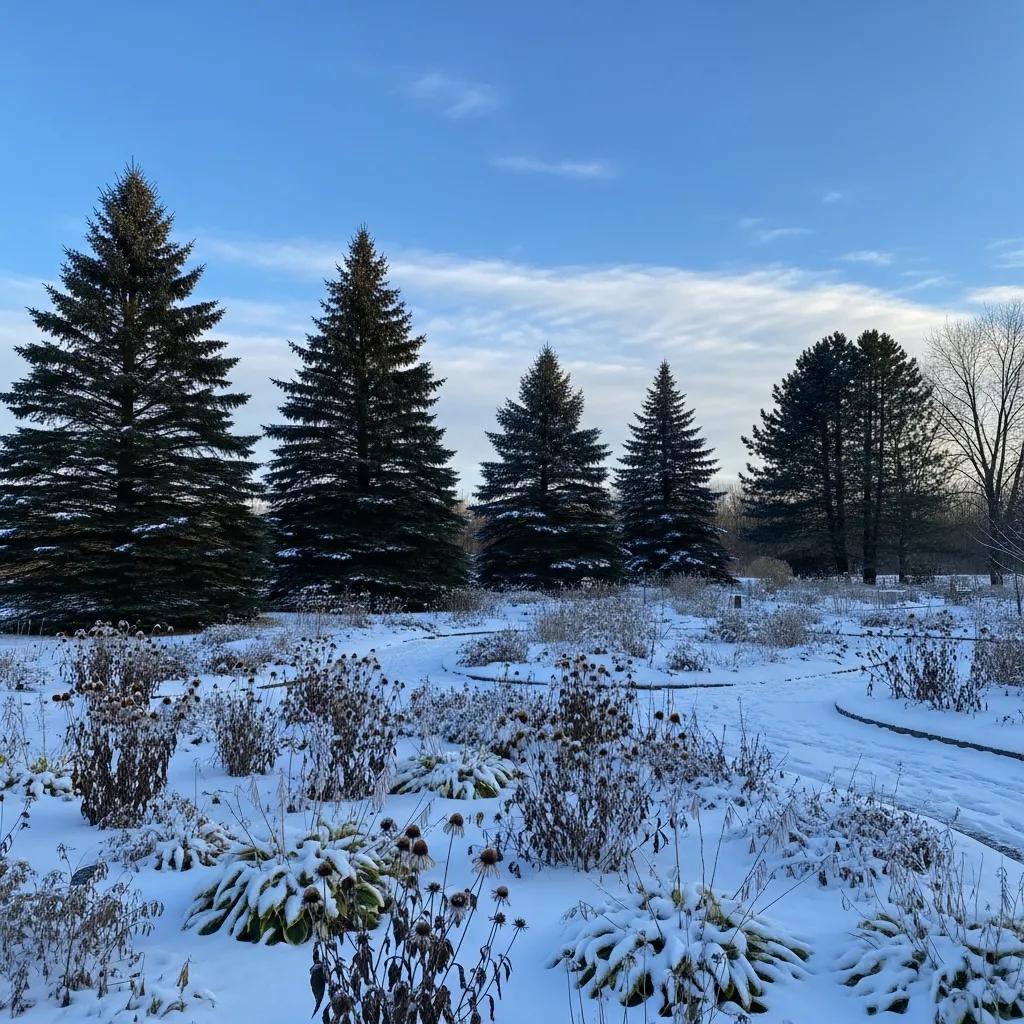
Winter Landscaping Tips: Protect Your Plants from the Cold
Winter Landscaping Tips: Protecting Your Plants & Property in Wisconsin

As winter approaches, homeowners in Wisconsin face unique challenges in maintaining their landscapes. The cold weather can be harsh on plants and outdoor features, making it essential to implement effective winter landscaping strategies. This article will provide valuable insights into protecting your plants and property during the winter months. You will learn about common winter plant damage types, effective protection methods, and best practices for preparing your property for the cold season. Additionally, we will discuss when to consider hiring professional landscaping services to ensure your landscape remains healthy and beautiful throughout winter.
How Can You Protect Your Plants from Winter Damage in Wisconsin?
Protecting your plants from winter damage is crucial for maintaining a healthy landscape. In Wisconsin, the cold temperatures and harsh weather conditions can lead to various types of damage, including frost damage, winter burn, and animal damage. Understanding these risks is the first step in safeguarding your plants.
What Are the Common Winter Plant Damage Types in Wisconsin?

- Frost Damage: Sudden drops in temperature can cause frost to form on plant tissues, leading to cell damage and wilting.
- Winter Burn: This occurs when plants lose moisture faster than they can absorb it, often due to cold, dry winds and bright sunlight reflecting off snow.
- Animal Damage: Rodents and deer may feed on tender plant parts during winter, causing significant harm to young trees and shrubs.
Recognizing these damage types allows homeowners to take proactive measures to protect their plants.
Understanding the delayed appearance of winter burn symptoms is crucial for timely intervention and plant care.
Identifying Winter Burn Damage on Evergreens
Winter burn may not be immediately apparent when it occurs because the affected foliage may not turn brown until the weather warms in late winter
Environmental injury: Winter burn of evergreens, 2016
Which Plants Need Winter Protection in Fond du Lac?
Certain plants are more vulnerable to winter conditions and require special care. In Fond du Lac, consider protecting the following:
- Evergreens: These trees and shrubs can suffer from winter burn and need adequate moisture before the ground freezes.
- Perennials: Many perennials benefit from mulching to insulate their roots and protect them from freezing temperatures.
- Young Trees: Newly planted trees are particularly susceptible to frost damage and should be wrapped or protected with tree guards.
By identifying which plants need extra attention, you can ensure their survival through the winter months.
What Are Effective Winter Plant Protection Methods for Wisconsin Gardens?
Implementing effective winter protection methods can significantly enhance your garden's resilience against cold weather. Here are some strategies to consider:
- Mulching: Applying a layer of mulch around plants helps insulate the soil, retain moisture, and suppress weeds.
- Burlap Wrapping: Wrapping evergreens in burlap can protect them from harsh winds and sun exposure, reducing the risk of winter burn.
- Watering Before Freeze: Ensuring your plants are well-watered before the ground freezes can help them withstand the cold better.
These methods can help create a more robust landscape that can endure the winter season.
How Does Mulching Help Winterize Plants?
Mulching is a vital practice for winterizing plants. It provides several benefits:
- Insulation Properties: A thick layer of mulch acts as an insulator, keeping the soil temperature more stable and protecting roots from extreme cold.
- Moisture Retention: Mulch helps retain soil moisture, which is crucial for plants that may struggle to absorb water during winter.
- Weed Suppression: By covering the soil, mulch prevents weed growth, reducing competition for nutrients and water.
Overall, mulching is an effective way to enhance plant health during the winter months.
Research consistently demonstrates the critical role of mulching in regulating soil temperature and moisture, vital for plant health during colder months.
Mulch for Soil Temperature & Moisture Protection
AbstractTo address agricultural needs of the future, a better understanding of plastic mulch film effects on soil temperature and moisture is required. The effects of different plant type and mulch combinations were studied over a 3.5-month period to better grasp the consequence of mulch on root zone temperature (RZT) and moisture.
Insulative effect of plastic mulch systems and comparison between the effects of different plant types, 1996
When and How to Use Burlap and Wrapping for Evergreens?
Using burlap to wrap evergreens is an effective method to protect them from winter damage. Here’s how to do it:
- Timing: Wrap evergreens before the first heavy snowfall or before harsh winter winds begin to ensure they are protected from the elements.
- Techniques: Use stakes to create a frame around the plant, then wrap burlap around it, ensuring it is secure but not too tight to avoid damaging the branches.
- Benefits: This method shields the plants from wind and sun, reducing moisture loss and preventing winter burn.
Proper wrapping techniques can significantly enhance the survival rate of your evergreens during winter.
Historical advice further emphasizes the importance of physical barriers like burlap to shield evergreens from harsh winter winds.
Protecting Evergreens from Winter Wind
a piece of burlap or an old sack should be wrapped around the tops if they are low evergreens, or throw a covering of hay or loose packing material over them to protect them from the wind.
Ornamental evergreens, 1930
How Should You Prepare Your Property for Wisconsin Winters?
Preparing your property for winter involves several key practices that can protect both your plants and hardscapes. Here are some essential steps to consider:
- Lawn Care Practices: Mowing your lawn to the appropriate height and applying a final fertilization can help it withstand winter stress.
- Hardscape Protection: Ensure that patios, walkways, and other hardscapes are clear of debris and snow to prevent damage.
- Irrigation System Winterization: Properly winterizing your irrigation system is crucial to prevent freezing and cracking.
By taking these steps, you can help ensure that your property remains in good condition throughout the winter.
What Are Best Practices for Winter Lawn and Hardscape Care?
Maintaining your lawn and hardscapes during winter requires specific practices:
- Mowing and Fertilization: Keep your grass at a height of about 2 to 2.5 inches before winter to promote healthy growth in spring.
- Aeration Techniques: Aerating your lawn in the fall can improve water absorption and root health, preparing it for winter.
- Ice Prevention Methods: Use sand or non-toxic de-icers on walkways to prevent ice buildup and ensure safety.
These practices can help maintain the integrity of your lawn and hardscapes during the cold months.
How to Winterize Irrigation Systems and Outdoor Features?

Winterizing your irrigation system is essential to prevent damage from freezing temperatures. Here’s a checklist to follow:
- Draining Systems: Completely drain all water from the irrigation lines to prevent freezing and cracking.
- Protecting Outdoor Features: Cover or store outdoor furniture and features to protect them from snow and ice.
- Timing for Winterization: Begin winterization before the first frost to ensure all systems are adequately prepared.
Following these steps will help safeguard your outdoor features and irrigation systems from winter damage.
When Should You Hire Professional Winter Landscaping Services in Fond du Lac?
While many homeowners can manage winter landscaping tasks, there are times when hiring professionals is beneficial. Consider the following:
- Signs of Needing Professional Help: If you notice significant damage or if your landscape requires extensive care, it may be time to consult experts.
- Benefits of Hiring Experts: Professionals have the knowledge and tools to effectively protect your landscape, ensuring it remains healthy through winter.
- Services Offered by Hollyhock Acres Landscape: Hollyhock Acres Landscape provides a range of winter services, including seasonal cleanups and snow removal, to help maintain your property.
By recognizing when to seek professional help, you can ensure your landscape is well cared for during the winter months.
What Winter Services Does Hollyhock Acres Landscape Offer?
Hollyhock Acres Landscape offers several winter services designed to protect your property:
- Seasonal Cleanups: Comprehensive cleanups to remove debris and prepare your landscape for winter.
- Snow Removal Services: Efficient snow removal to keep your walkways and driveways clear and safe.
- Plant Protection Services: Expert advice and services to protect your plants from winter damage.
These services can help ensure your landscape remains healthy and beautiful throughout the winter season.
How Can Seasonal Cleanups and Snow Removal Protect Your Property?
Seasonal cleanups and snow removal are essential for maintaining your property during winter. Here’s how they help:
- Preventing Damage: Regular cleanups prevent debris buildup that can harm plants and hardscapes.
- Enhancing Property Appearance: A well-maintained landscape looks better and can increase property value.
- Safety Considerations: Keeping walkways and driveways clear of snow reduces the risk of accidents and injuries.
Investing in these services can significantly enhance the safety and aesthetics of your property during winter.


