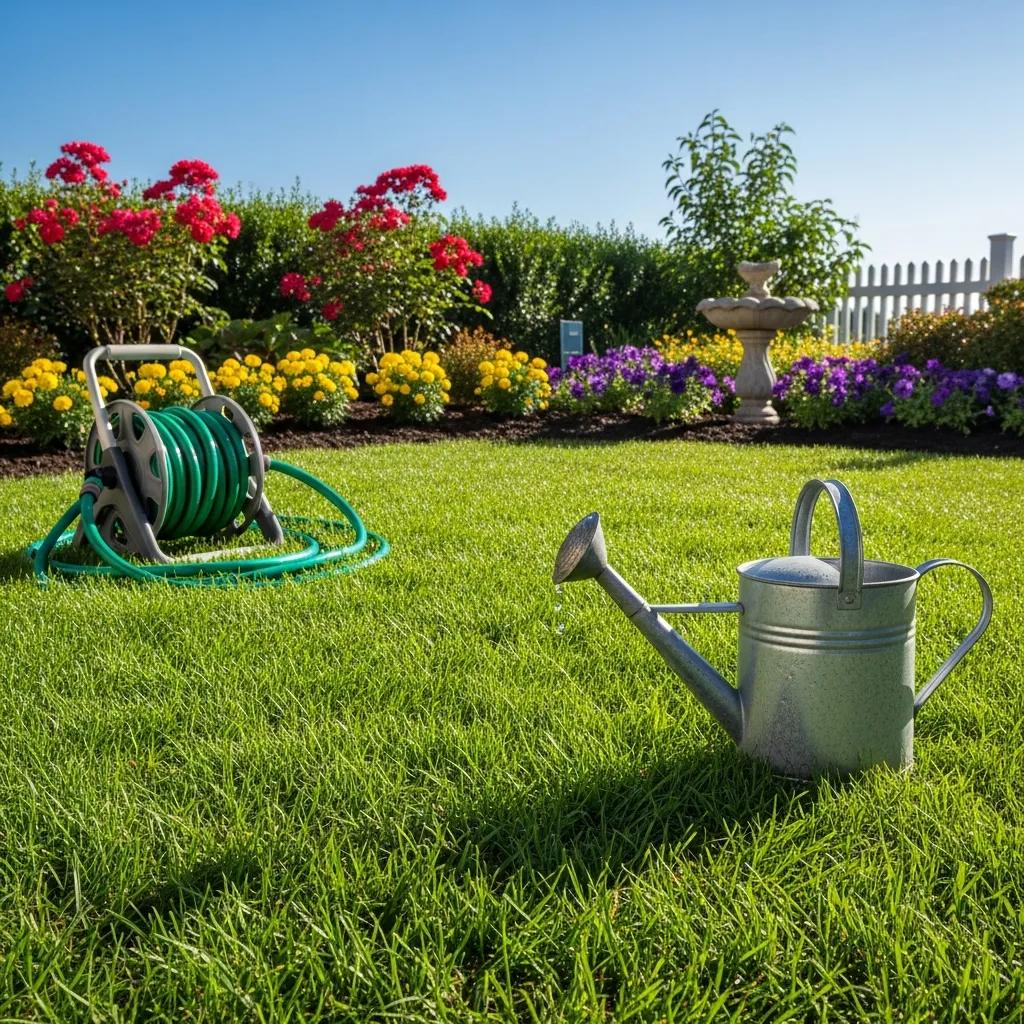
Caring for Your New Lawn: Essential Tips for Sod & Seed
Caring for Your New Lawn: Essential Sod Installation and Grass Seed Maintenance Tips for Healthy Growth

Establishing a new lawn can be a rewarding yet challenging endeavor. Whether you choose sod installation or grass seed planting, understanding the essential care practices is crucial for achieving a lush, healthy lawn. This article will provide you with comprehensive tips on how to care for your new lawn, focusing on watering, fertilization, maintenance, and soil preparation. Many homeowners struggle with ensuring their new grass thrives, often leading to patchy or unhealthy lawns. By following the right practices, you can ensure your lawn not only survives but flourishes. We will explore how often to water your new sod and grass seed, the best fertilization practices, essential maintenance tips, and the impact of soil preparation and seasonal care.
How Often Should You Water New Sod and Grass Seed?
Watering is a critical aspect of establishing a new lawn, as it directly affects the health and growth of both sod and grass seed. Proper watering ensures that the roots establish well in the soil, leading to a robust lawn. The ideal watering schedule varies based on factors such as weather conditions and the type of grass.
What Is the Ideal Watering Schedule for New Sod?

For new sod, the ideal watering schedule typically involves watering daily for the first two weeks. This helps the sod to establish roots in the soil. Each watering session should last about 20-30 minutes, ensuring the soil is moist but not waterlogged. After the initial two weeks, you can gradually reduce the frequency to every other day, depending on the weather and soil conditions.
How to Adjust Watering for Grass Seed Germination?
When it comes to grass seed, the initial watering is crucial for germination. During the first few weeks, keep the soil consistently moist by watering lightly 2-3 times a day. As the grass begins to grow, you can reduce the frequency to once a day, allowing the soil to dry slightly between waterings. This adjustment helps promote deeper root growth, which is essential for a healthy lawn.
What Are the Best Fertilization Practices for New Lawns After Seeding or Sod Installation?
Fertilization plays a vital role in the establishment of a new lawn, providing essential nutrients that support growth and health. Understanding when and how to fertilize can significantly impact the success of your lawn.
When and How Should You Fertilize New Sod?
For newly installed sod, it is best to apply a starter fertilizer at the time of installation or within the first week. This fertilizer should be higher in phosphorus to promote root development. Follow the manufacturer's instructions for application rates, typically around 0.5 to 1 pound of nitrogen per 1,000 square feet. Fertilizing again about 4-6 weeks after installation, after the first mowing, can support continued growth.
Which Fertilizers Promote Healthy Grass Seed Growth?

When it comes to grass seed, using a starter fertilizer that is higher in phosphorus is also recommended. Look for products labeled as starter fertilizers, which often contain a balanced ratio of nutrients. Applying this fertilizer at the time of seeding can help ensure that the young grass plants receive the nutrients they need to establish strong roots.
The effectiveness of starter fertilizers in promoting robust growth has been a subject of ongoing study.
Starter Fertilizers for New Lawn Establishment
corn to starter fertilizers on typical high P soils and to investigate the need for nitrogen (N), P, potassium (K), or sulfur (S) as a component of starter fertilizers. A starter fertilizer evaluation
Lawn establishment. 1066, 1972
Hollyhock Acres Landscape offers professional fertilization services to help you choose the right products for your new lawn, ensuring optimal growth and health.
What Are Essential Maintenance Tips for New Sod and Seeded Lawns?
Maintaining your new lawn is crucial for its long-term health and appearance. Regular care practices can prevent issues such as weeds and pests, ensuring your lawn remains vibrant and lush.
When Can You Start Mowing Your New Lawn?
You can typically start mowing your new sod when it has rooted into the soil, which usually takes about 2-3 weeks. For seeded lawns, wait until the grass reaches a height of about 3 inches before mowing for the first time. Mowing encourages lateral growth and helps the grass to thicken. Be sure to set the mower blade high for the first few mowings to avoid stressing the young grass.
Modern lawn care practices, including proper mowing and irrigation, are continuously evolving to meet new challenges.
Modern Lawn Care: Irrigation, Mowing & Maintenance
their lawn (ie mowing and irrigation). The domain of best practices constantly evolves with new turfgrasses and weeds with their equipment, further hindering lawn maintenance efforts.
Contemporary Challenges and Opportunities for Improved lawn Weed Management: insights from US lawn care operators, DE Ervin, 2022
How to Prevent Weeds and Pests in a New Lawn?
Preventing weeds and pests is essential for maintaining a healthy lawn. Regularly inspect your lawn for signs of weeds and remove them by hand or with a hoe. Additionally, consider applying a pre-emergent herbicide after the grass has been mowed at least 2-3 times and is well established, usually 6-8 weeks after seeding or sod installation, to prevent weed seeds from germinating. For pest management, keep an eye out for common pests and treat them promptly with appropriate methods.
Hollyhock Acres Landscape provides ongoing lawn maintenance services to help you keep your new lawn in top condition, allowing you to enjoy a beautiful outdoor space without the hassle.
How Does Soil Preparation and Seasonal Care Affect New Lawn Establishment?
Soil preparation is a foundational step in establishing a new lawn. Properly prepared soil can significantly enhance the success of your sod or grass seed.
Why Is Soil Aeration Important Before Seeding or Sod Installation?
Soil aeration is crucial as it allows air, water, and nutrients to penetrate the soil more effectively. Aerating the soil before seeding or laying sod helps to break up compacted soil, promoting better root growth and overall lawn health. It is recommended to aerate the soil a few days to a week before installation to ensure optimal conditions.
Further research emphasizes the importance of proper soil structure for successful lawn establishment.
Essential Soil Preparation for New Lawns
soil pores and actually reduce drainage and aeration. Sand should be used to amend an existing soil
Lawn establishment. 1066, 1972
What Seasonal Tips Help Maintain a Healthy New Lawn?
Seasonal care is vital for maintaining a healthy lawn. In spring, focus on fertilization and weed control. During summer, ensure adequate watering, especially during dry spells. In fall, consider overseeding to thicken the lawn and prepare it for winter. Each season presents unique challenges and opportunities for lawn care, so adapting your practices accordingly is essential for long-term success.
Fertilization TypeTimingApplication MethodBenefitsStarter FertilizerAt installation or within 1 weekSpread evenly across the lawnPromotes root developmentRegular FertilizerEvery 6-8 weeks during growing seasonFollow manufacturer's instructionsSupports overall growthSeasonal FertilizerFallApply before winter dormancyPrepares lawn for winter
This table summarizes the best fertilization practices for new lawns, highlighting the importance of timing and application methods for optimal growth.
Maintaining a new lawn requires attention to detail and a commitment to proper care practices. By following these essential tips for watering, fertilization, maintenance, and soil preparation, you can ensure that your new lawn thrives and becomes a beautiful addition to your home. For professional assistance, consider reaching out to Hollyhock Acres Landscape, where we specialize in lawn care and maintenance services tailored to your needs.


