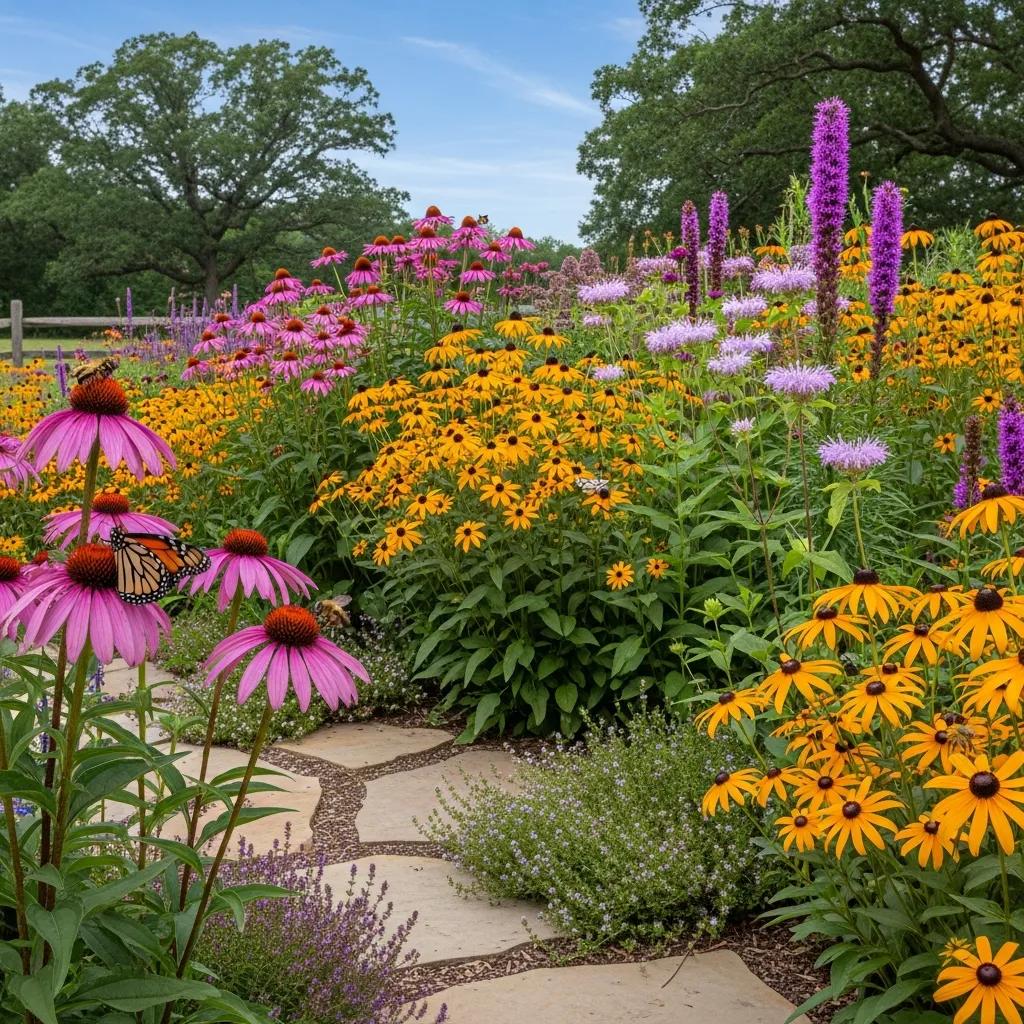
Transform Your Garden with Native Plants Wisconsin Will Love
Native Plants for Wisconsin Landscapes: Eco-Friendly and Beautiful Solutions for Sustainable Gardening

Native plants are essential for creating sustainable and eco-friendly landscapes, particularly in Wisconsin, where local flora thrives in harmony with the environment. This article explores the benefits of using native plants in your garden, including their ecological advantages, low maintenance requirements, and aesthetic appeal. By incorporating these plants into your landscaping, you can contribute to biodiversity and support local wildlife. We will also discuss specific native plants that are ideal for pollinator gardens, design tips for eco-friendly landscapes, and how Hollyhock Acres Landscape can assist you in your native plant journey.
Why Choose Native Plants for Your Wisconsin Landscape?
Choosing native plants for your Wisconsin landscape offers numerous benefits that enhance both the environment and your gardening experience. Native plants are adapted to local soil and climate conditions, making them more resilient and easier to maintain. They require less water and fewer chemical inputs, promoting a healthier ecosystem. Additionally, native plants provide essential habitats for local wildlife, including pollinators, birds, and beneficial insects.
Indeed, sustainable landscaping initiatives highlight the broader impact of these practices on urban ecosystems.
Sustainable Landscaping for Native Species & Ecosystems
Sustainable landscaping programs are voluntary initiatives that recommend a set of practices to improve the environmental quality of urban ecosystems by providing landscaping materials, guidelines, and educational resources. Programs aim to increase native species richness, affordably manage stormwater runoff, and offer residents meaningful experiences with nature.
Sustainable landscaping programs in the United States and their potential to encourage conservation and support ecosystem services, MA Pham, 2022
What Are the Ecological Benefits of Using Wisconsin Native Plants?
Wisconsin native plants play a crucial role in supporting local ecosystems. They provide food and habitat for pollinators, such as bees and butterflies, which are vital for the reproduction of many flowering plants. Furthermore, native plants improve soil health by preventing erosion and enhancing nutrient cycling. Their deep root systems help retain moisture and reduce runoff, contributing to better water quality in local streams and lakes. By planting native species, you actively contribute to the preservation of local biodiversity and the health of the environment.
How Do Native Plants Offer Low Maintenance and Climate Resilience?
One of the most appealing aspects of native plants is their low maintenance nature. These plants are naturally adapted to Wisconsin's climate, making them more drought-resistant and less susceptible to pests and diseases. This resilience means that once established, native plants require minimal care, allowing you to enjoy a beautiful garden without the constant upkeep associated with non-native species. Their ability to thrive in local conditions not only saves time and resources but also promotes a sustainable gardening approach.
Which Native Plants Are Best for Pollinator Gardens in Wisconsin?

Creating a pollinator garden with native plants is an excellent way to support local wildlife while enhancing the beauty of your landscape. Certain native plants are particularly effective at attracting bees, butterflies, and birds, making them ideal choices for your garden.
What Native Wildflowers Attract Bees, Butterflies, and Birds?
- Purple Coneflower (Echinacea purpurea): This hardy perennial produces vibrant purple flowers that attract a variety of pollinators, including bees and butterflies.
- Black-eyed Susan (Rudbeckia hirta): With its bright yellow petals and dark centers, this flower is a favorite among butterflies and provides seeds for birds in the fall.
- Milkweed (Asclepias spp.): Essential for monarch butterflies, milkweed not only attracts these beautiful insects but also supports other pollinators.
These wildflowers not only enhance the visual appeal of your garden but also play a vital role in supporting local ecosystems.
Which Native Trees and Shrubs Support Local Wildlife?
- Red Maple (Acer rubrum): This tree offers nectar for early spring pollinators and provides shelter for various bird species.
- Serviceberry (Amelanchier spp.): Known for its beautiful spring flowers and edible berries, this shrub attracts birds and other wildlife.
- American Hazelnut (Corylus americana): This shrub produces nuts that are a food source for many animals, including squirrels and birds.
Incorporating these native trees and shrubs into your landscape design will create a thriving habitat for local wildlife.
How Can You Design an Eco-Friendly Wisconsin Landscape with Native Plants?

Designing an eco-friendly landscape using native plants involves careful planning and consideration of your site's unique conditions. By understanding the local environment, you can create a beautiful and sustainable garden that thrives year-round.
What Are Key Considerations for Site Analysis and Soil Conditions?
- Soil Type: Different native plants thrive in various soil types, so it's crucial to test your soil and choose plants that match its characteristics.
- Sunlight Exposure: Assess how much sunlight your garden receives throughout the day to select plants that will flourish in those conditions.
- Existing Vegetation: Take note of any existing plants and trees, as they can influence the growth of new plantings.
By considering these factors, you can create a more successful and sustainable native plant garden.
How to Create a Native Plant Garden Plan That Enhances Beauty and Biodiversity?
- Layering: Use a mix of heights and textures to create visual interest. Taller plants can be placed at the back, with shorter plants in front.
- Grouping: Plant in clusters rather than single specimens to create a more natural look and improve pollinator access.
- Biodiversity: Incorporate a variety of species to support different types of wildlife and enhance the resilience of your garden.
By following these principles, you can design a native plant garden that is both beautiful and beneficial to the environment.
How Does Hollyhock Acres Landscape Support Native Plant Design and Installation in Wisconsin?
Hollyhock Acres Landscape is dedicated to helping homeowners create stunning native plant landscapes that are both eco-friendly and sustainable. With over 15 years of experience, our team understands the unique challenges and opportunities presented by Wisconsin's climate and soil conditions.
What Expertise Does Hollyhock Acres Offer in Native Landscaping?
Our expertise in native landscaping allows us to provide tailored solutions that meet the specific needs of your property. We conduct thorough site analyses to ensure that the plants we recommend will thrive in your garden. Our team is knowledgeable about local ecosystems and can guide you in selecting the best native plants for your landscape.
Which Native Plant Services Are Available for Wisconsin Homeowners?
Hollyhock Acres Landscape offers a comprehensive range of services related to native plants, including:
- Landscape Design and Installation: We create custom designs that incorporate native plants to enhance your outdoor space.
- Planting and Mulching Services: Our team ensures that your native plants are properly installed and mulched for optimal growth.
- Consultation for Native Plant Selection: We provide expert advice on choosing the right native plants for your specific site conditions.
By partnering with Hollyhock Acres Landscape, you can transform your garden into a vibrant, eco-friendly space that supports local wildlife and enhances the beauty of your home.
| Native Plant | Type | Benefits |
|---|---|---|
| Purple Coneflower | Wildflower | Attracts bees and butterflies |
| Red Maple | Tree | Provides early spring nectar and shelter |
| Serviceberry | Shrub | Offers edible berries for wildlife |
Creating a native plant garden not only beautifies your landscape but also contributes to the health of the environment. By choosing native plants, you support local wildlife, reduce maintenance needs, and promote biodiversity. With the expertise of Hollyhock Acres Landscape, you can design and install a stunning native plant garden that thrives in Wisconsin's unique climate.
Ready to start your native plant journey? Contact Hollyhock Acres Landscape today to discuss your project and get expert advice on creating your sustainable garden.


